Live oak tree care in Charleston, SC, is about protecting a long-lived tree from the ground up. Live oaks define Lowcountry landscapes with broad canopies, twisting limbs, and year-round shade, but their size makes poor pruning, root damage, and delayed maintenance costly. The right plan preserves their natural beauty while managing clearance and safety around the property.
In this blog, we’ll walk through the fundamentals of live oak care for Charleston homeowners — how to protect roots and soil, when and how to prune safely, and what to watch for as these giants age.
Why Live Oaks Are Built for the Lowcountry
Southern live oak, or Quercus virginiana, is adapted to coastal heat, wind, and salt exposure better than many species. Established live oaks can spread wider than they are tall, creating heavy horizontal limbs and extensive roots. Spanish moss often hangs from the canopy without taking nutrients from the oak.
The Angel Oak on Johns Island shows how large and old the species can become when given space and time. A neighborhood oak will not have the same setting as a park tree, though. Roofs, roads, cars, utilities, lawns, and compacted soil make routine evaluation important.
Protect the Root Zone
Most absorbing roots are closer to the soil surface than many homeowners expect and extend well beyond the trunk. Trenching, grade changes, vehicle traffic, paving, and stored materials can injure or suffocate them. Decline may appear in leaves and limbs long after the damaging work is complete.
Before a construction or landscaping project, establish a protected area around the oak. Route utilities away from major roots when possible. Do not add a thick layer of soil over the root zone or cut large roots without professional guidance.
Mulch and Water the Right Way
Apply two to four inches of organic mulch over a broad area, keeping it several inches away from the trunk. Mulch moderates soil temperature, limits grass competition, and helps conserve moisture. A mound against the bark traps moisture and can hide decay, so think “wide ring,” not “mulch volcano.”
Young live oaks need consistent watering while roots become established. Mature trees often manage normal rainfall, but extended drought may justify slow, deep watering across the root zone. Avoid frequent shallow irrigation that keeps only the surface wet.
Prune Live Oaks with a Clear Purpose
Live oak pruning should preserve the natural canopy and strong branch structure. Useful goals include removing deadwood, correcting rubbing limbs, developing young-tree structure, reducing an overextended branch, and improving clearance above a roof or driveway.
Avoid topping, lion-tailing, and removing a large share of foliage at one time. These practices stress the oak and can encourage weak sprouts. Each cut should be made outside the branch collar without leaving a long stub or cutting flush into the trunk.
Timing and disease precautions matter. Oak wilt is not equally common in every region, but fresh pruning wounds can be a concern where the disease and insect vectors are active. Ask a knowledgeable tree service about current local guidance and avoid unnecessary pruning during high-risk periods.
Manage Storm Risk Without Stripping the Canopy
Live oaks have strong wood and broad root systems, yet any large tree can fail during severe weather. High winds, saturated soil, cavities, poor branch unions, and root damage can increase risk. The answer is not to remove most interior branches. Excessive thinning can shift loads and stimulate weak growth.
Instead, inspect the oak for dead limbs, cracks, mushrooms near the base, hanging branches, and changes in lean. A professional evaluation can identify whether pruning, monitoring, or removal is appropriate. Keep people and cars away from questionable limbs until they are assessed.
Signs Your Oak Needs Professional Attention
- Large dead branches or repeated limb drop
- A crack where major limbs meet the trunk
- New lean, lifted soil, or exposed roots
- Cavities, loose bark, or fungal growth
- Thin foliage or dieback across the canopy
- Recent construction within the root zone
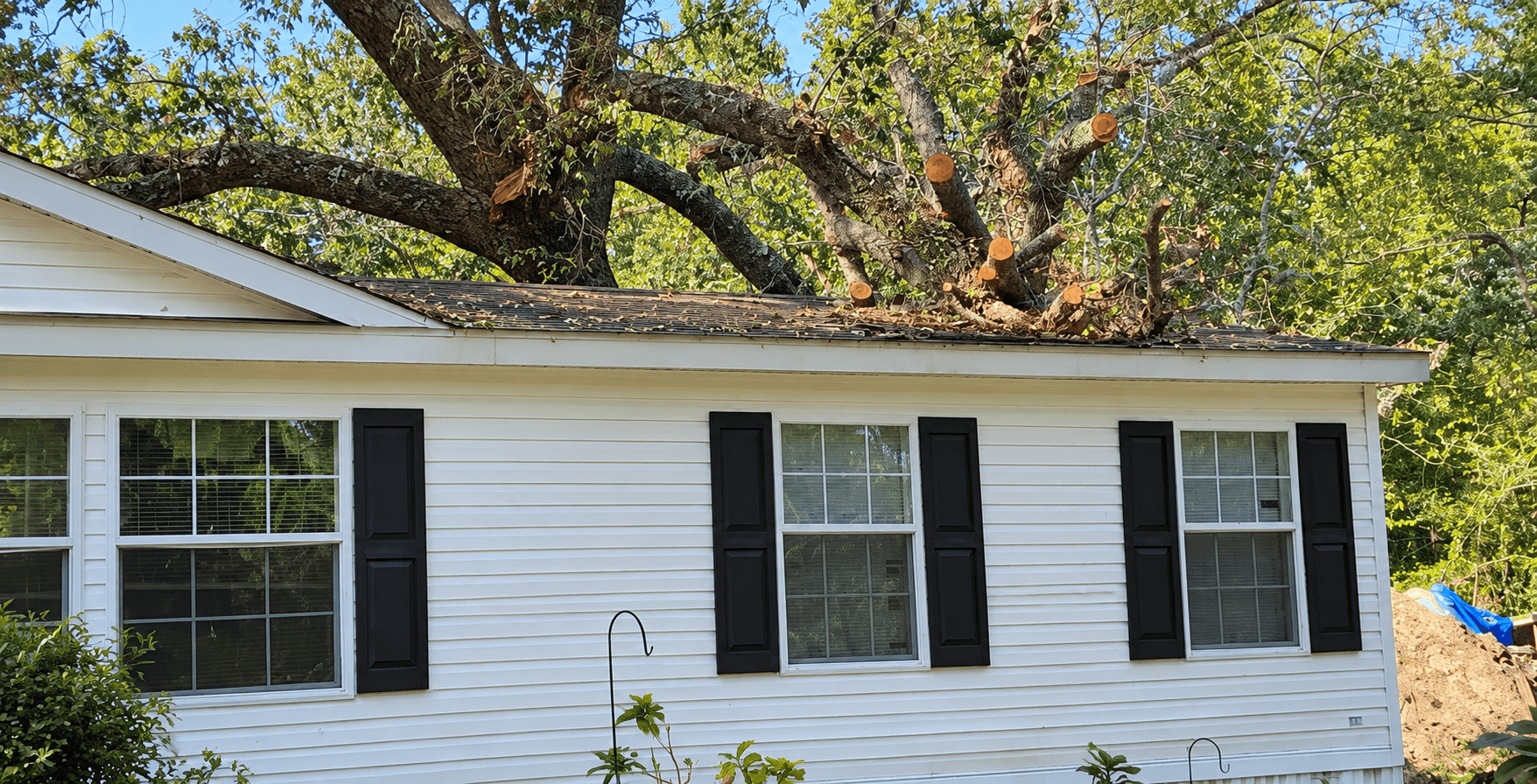
- Limbs contacting the house, roof, or utilities
One symptom does not always mean the oak must be removed. The location, extent of damage, remaining sound wood, and consequences of failure all matter. Early attention creates more options.
Understand Local Tree Protection and Permits
Large established live oaks may be protected by local ordinances. Requirements vary by city and county and may depend on trunk diameter, property type, and proposed work. A permit may be required for removal or major impact within the protected root area.
Check the rules for the exact address before work begins. Tree protection requirements can also affect construction plans, driveways, and utility routes. Good planning protects both the oak and the project schedule.
Give Your Live Oak Care That Fits the Tree
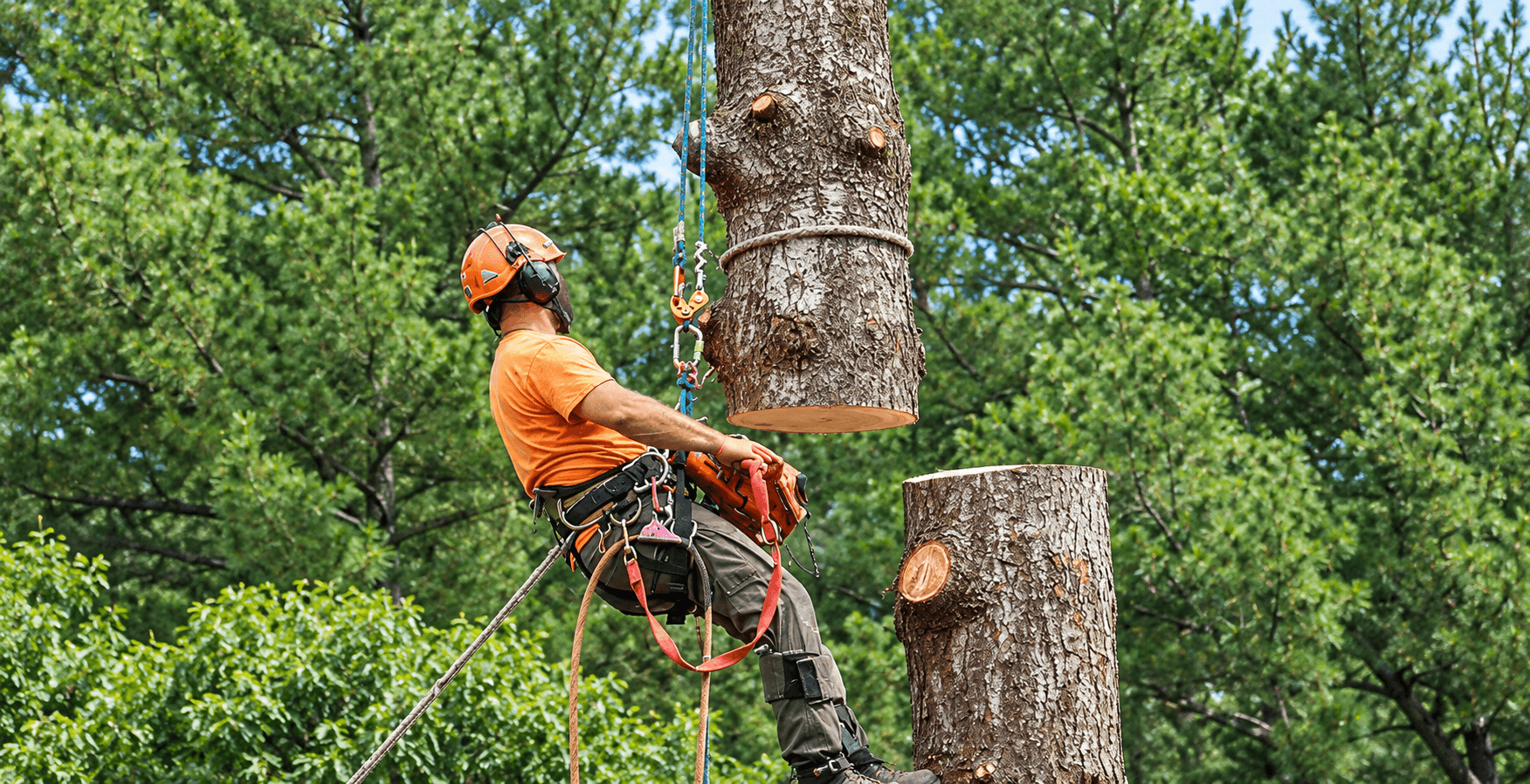
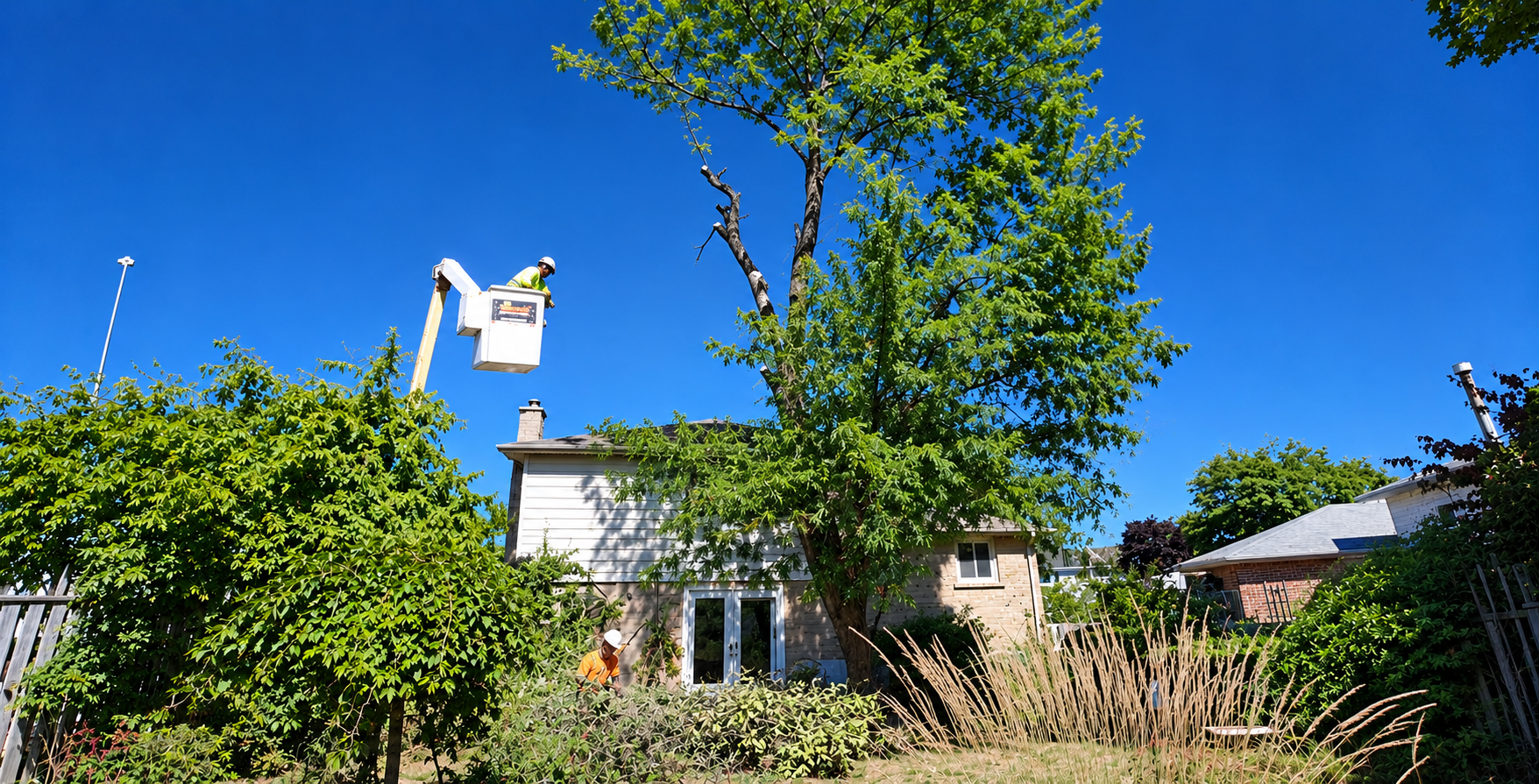
Carolina Tree Service specializes in Charleston’s live oaks, magnolias, palms, and other Lowcountry species. Our tree trimming and pruning focuses on health, structure, appearance, and safety. When an oak is severely damaged or cannot remain safely, our team can also plan careful tree removal.
Whether the tree is young, mature, or growing close to your home, request a free quote for practical guidance from a fully licensed team serving Charleston and nearby areas.
How to Choose a Pro for Live Oak Maintenance
Live oak maintenance is not the place for fast, indiscriminate cutting. Hire a tree service that understands established trees, local protected-tree rules, and the way a large oak responds to pruning. Ask whether an ISA Certified Arborist or another certified arborist can provide guidance on important cuts, root protection, and removal decisions.
A professional tree service should provide details about the work before it begins. The proposal should identify which trees are included, why tree trimming is recommended, how the tree service will protect the property, and whether a permit is required. Depending on the site, the tree service may also discuss access, cars, overhead utilities, and cleanup.
Customers can use these questions when comparing a company:
- Will a certified arborist inspect the trees and comment on tree health?
- Does the tree service provide proof of licensing and appropriate coverage?
- How will the tree service protect grass, nearby planting areas, and young trees?
- Will the tree trimming preserve the oak’s natural form?
- Can the company explain when removal is safer than continued pruning?
- Who should customers contact if site conditions change during the work?
Charleston, Mount Pleasant, and nearby areas may apply different rules, so local guidance is important. Read the written scope and ask for details instead of relying on a quick verbal comment. A qualified pro should provide time for questions and ensure the tree care plan matches the property.
Year after year, consistent tree care is more valuable than occasional heavy cutting. Inspect trees after storms, schedule tree trimming before defects grow, and contact a tree service when a branch changes or leaves decline. Proper care can help established live oaks remain a pleasant, important feature of the region for generations.
Frequently Asked Questions
There is no fixed annual schedule. Young trees may need periodic structural pruning, while established trees are often pruned only for deadwood, clearance, defects, or storm damage.
Spanish moss is an epiphyte, not a parasite. It uses the tree for support and does not feed on the oak. Heavy growth may be more noticeable on thin or shaded branches but is not usually the cause of decline.
Not automatically. Soil conditions and symptoms should guide treatment. Unnecessary fertilizer can create excessive growth or affect surrounding grass and plants.
Construction can compact soil and damage roots. Have the site and root zone evaluated before design decisions are final, and check permit requirements for protected trees.