The best time to trim trees in Charleston, SC, depends on the species, the reason for pruning, and the condition of the tree. For many deciduous trees, late winter offers a practical window because the structure is easy to see and active growth has slowed. Dead, broken, or hazardous branches, however, should be addressed whenever they create a safety concern.
At Carolina Tree Service, we pride ourselves on giving Charleston homeowners practical, season‑smart advice. We look at the specific tree, where it is planted, and what you want from it, then recommend a trimming schedule that protects both tree health and property safety. Continue below to learn more about Lowcountry tree trimming timing.
Why Late Winter Works for Many Trees
During winter dormancy, a tree directs less energy to leaves and shoots. Without a full canopy, branches, crossing limbs, decay, and structural defects are easier to identify. Pruning before the growing season can also help the tree direct resources toward healthy growth.
Late winter is commonly suitable for shade trees that are not being managed for spring flowers. It is a useful time to remove dead branches, correct young-tree structure, reduce an overextended limb, and improve clearance. Clean pruning cuts just outside the branch collar support the tree’s natural response.
Charleston winters are mild, so exact timing can vary with average temperatures and the species. A professional tree service can assess whether a dormant period is appropriate or whether the work should wait.
Pruning Timing for Common Charleston Trees
Live Oaks
Live oaks keep foliage through much of the year and need a conservative approach. Routine tree care should focus on deadwood, rubbing branches, clearance, and long-term structure—not heavy canopy removal. Because oak wilt disease is a regional concern in parts of the United States, avoid unnecessary wounds during periods of high insect activity and follow current local guidance.
Southern Magnolias
A southern magnolia usually needs limited pruning once established. Remove dead or damaged branches and correct the structure when young. Excessive trimming can spoil the natural form and stimulate unwanted growth.
Crepe Myrtles
Late winter is a common time to prune summer bloomers such as crepe myrtles. Avoid cutting every stem back to large stubs. Selective thinning, removing crossing shoots, and maintaining the main trunk or multi-stem form produces a healthier, more natural result than topping.
Palms
Palms do not respond like branching trees. Remove dead or severely damaged fronds, but keep healthy green fronds. Over-pruning and “hurricane cuts” reduce the leaf area the palm needs and can weaken it.
Spring-Flowering Trees
Many spring-flowering fruit trees and ornamentals set buds on old wood. Pruning them in late winter may remove flowers. If bloom is the priority, trim after flowering unless branches are dead, diseased, or hazardous.
When Summer Pruning Makes Sense
Summer pruning can be useful for light corrections, clearance, and controlling certain vigorous shoots after growth begins. It can also reveal branches that are shading a roof, walkway, or garden more than expected. Keep the work limited; removing too much foliage during hot weather can stress the tree.
Avoid pruning during extreme heat or drought unless safety requires it. Trees need leaves to produce energy. Heavy cuts during the growing season may trigger weak sprouts and reduce overall health.
Prune for Storm Preparation Before the Forecast Turns Urgent
Charleston’s high winds and tropical weather make storm preparation an important part of regular trimming. Deadwood, cracked unions, and large branches over structures deserve attention before hurricane season. Proper pruning can reduce specific hazards and improve canopy balance, but no service can make a tree immune to storm damage.
Do not wait until a hurricane is days away to trim trees. Rushed work may remove too much canopy, leave poor cuts, or create debris that cannot be cleared before the storm. Plan an inspection in late winter or early spring and reassess after any severe weather.
Pruning Practices to Avoid
- Topping: Cutting large branches to stubs causes decay and weak regrowth.
- Flush cuts: Cutting into the trunk damages the branch collar.
- Removing too much: Heavy canopy loss stresses trees and can cause sunscald.
- Using dull or dirty tools: Poor cuts damage tissue; sanitation matters when disease is suspected.
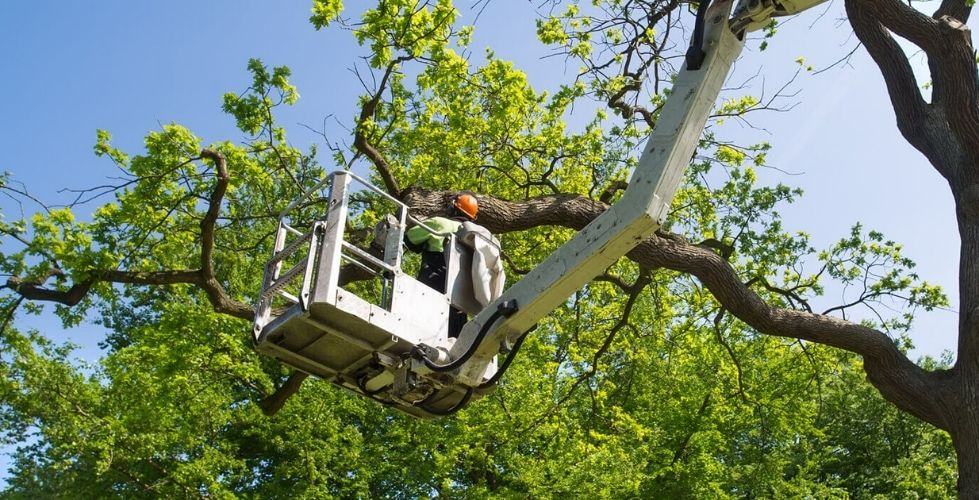
- Working near power lines: Utility clearance requires trained professionals and specialized equipment.
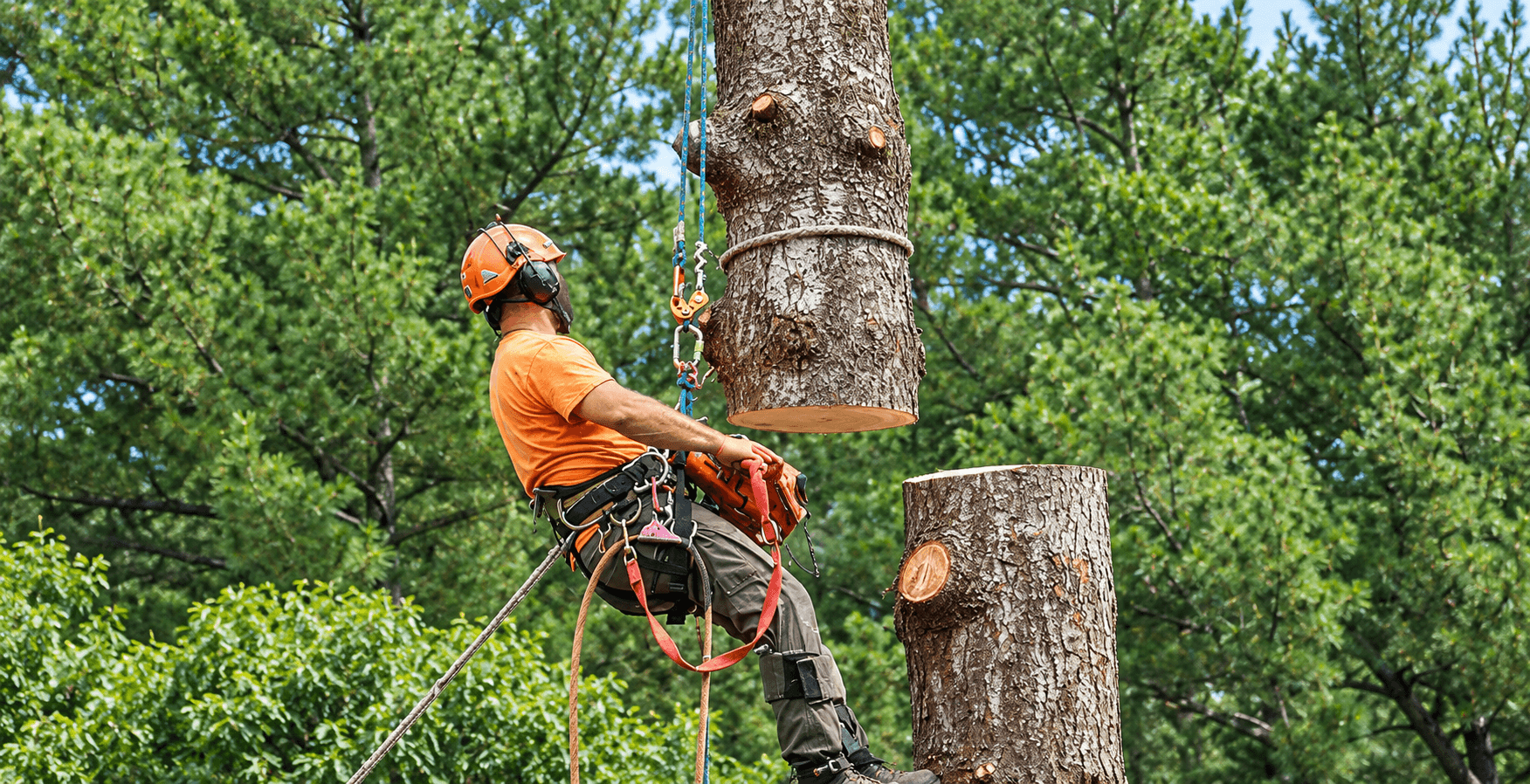
Safety glasses and a hard hat do not make climbing or chainsaw work safe for an untrained homeowner. Large trees and hazardous branches require appropriate access, rigging, and drop-zone control.
How Regular Trimming Supports Tree Health
Good pruning improves structure, removes damaged wood, and helps prevent decay from worsening. Selective cuts can increase light and airflow through dense areas while preserving enough foliage for vigorous root growth. Young-tree pruning can make a big difference by establishing strong branch spacing before defects become large.
Regular trimming also protects the property. It can improve clearance over roofs and driveways, reduce rubbing limbs, and keep sight lines open. The goal is not a perfectly symmetrical canopy; it is a healthy tree with sound structure and enough natural character to fit the landscape.
Schedule Thoughtful Tree Pruning in Charleston
Carolina Tree Service understands the unique needs of Charleston’s live oaks, southern magnolias, palms, crepe myrtles, and other Lowcountry species. Our tree trimming and pruning services are tailored to the tree, property, and reason for the work. If a tree is beyond corrective care, we can also discuss safe tree removal.
Whether you are planning routine care or preparing for strong winds, request a free estimate from our fully licensed, locally owned team serving the Charleston area and neighboring islands.
A Simple Annual Tree Care Calendar for Charleston
Use this calendar as a general rule, then adjust it for the tree species and site. Certified arborists can provide tree-specific guidance when large trees, protected trees, or grand trees are involved.
Late Winter
Late winter is the main tree trimming window for many shade trees. A professional tree service can inspect tree structure, remove dead branches, and make precise cuts before new tree growth accelerates. This dormant season is also useful for pruning multi-stem crepe myrtles without topping them. Tree care at this time supports tree health and can ensure healthy growth.
Early Spring
As new growth appears, check each tree for weak shoots, diseased branches, powdery mildew, insect damage, and signs of root rot. Spring tree service may include light pruning, mulch correction, and pest control when a diagnosed problem requires it. Do not bury a tree trunk in wood chips or let weed growth hide the root flare.
Summer
During summer, tree care shifts toward heat, drought, and storm damage. Inspect tree branches after high winds and keep trees healthy with appropriate watering. Summer tree trimming should be limited and purposeful. A professional tree crew may remove a broken tree limb, but major pruning is often postponed unless safety requires it.
Late Fall
Late fall is a good time to review tree health, note tree removal concerns, and schedule winter tree trimming. Sweet gums, oaks, and other deciduous trees reveal branch structure as leaves drop. A tree service can identify large branches that need planning before the next growing season.
Across Charleston County and Berkeley County, local challenges include hurricanes, high winds, humidity, salt exposure, and development pressure. Regular tree care helps professional arborists catch small tree defects before they become expensive. When pruning cannot correct a hazard, tree removal may protect the property and nearby trees.
Certified professionals can explain whether trimming, tree removal, or monitoring is the right next step for each tree.
Frequently Asked Questions
Light summer pruning can address clearance, damaged branches, or unwanted shoots. Avoid removing a large percentage of foliage during hot, dry conditions.
Broken or hanging branches should be assessed promptly. Keep away from power lines and tensioned limbs, and let trained professionals handle dangerous work.
There is no universal schedule. Species, age, location, previous cuts, and exposure to storms determine the interval. Periodic inspections help identify needs before they become urgent.
The words are often used together. Pruning usually emphasizes tree health and structure, while trimming may also describe clearance or appearance. The quality and purpose of each cut are what matter.