Hurricane tree preparation in Charleston, SC, should begin well before a named storm enters the forecast. High winds, saturated soil, and heavy rain can turn weak limbs or an unstable tree into a serious risk to your home, vehicles, utility lines, and neighbors. A careful inspection and selective pruning give you time to correct problems without making rushed decisions as a storm approaches.
In this blog, the team at Carolina Tree Service will walk through how to spot trouble early, what work a professional tree service can do to reduce risk, and how to create an ongoing hurricane‑season routine for your property.
Why Charleston Trees Need Storm-Readiness Planning
Charleston’s coastal setting creates a tough combination for local trees. Tropical systems bring strong winds and heavy rain, while flooding can leave roots in standing water. When soil becomes saturated, even a healthy-looking large tree may lose some of its anchoring strength. Trees already stressed by decay, construction, compacted soil, drought, or earlier storm damage face a greater risk.
Species matters, too. A southern magnolia, live oak, pine, or palm responds differently to wind. The tree’s location, root system, canopy balance, and overall health matter as much as its name. That is why a property-specific assessment is more useful than a one-size-fits-all hurricane checklist.
Start with the areas where failure would cause the most harm: branches above the roof, trees beside a driveway, limbs near utility lines, and trees leaning toward a house or commercial property. Never attempt work near energized lines. Contact the utility or an appropriately equipped professional.
Inspect Trees Before Tropical Storms
Look Up for Dead, Cracked, or Hanging Branches
Dead branches often break before living wood. Look for bare limbs, split unions, hanging branches, and areas where bark has fallen away. Pay special attention to large limbs over the roof, parking area, lawn, or backyard gathering spaces. A dense canopy may also hide crossing branches and old storm wounds.
Check the Trunk and Base
Walk around each important tree. Cavities, mushrooms, deep cracks, loose bark, or sawdust-like material can point to internal decay or pest activity. A new lean, especially with lifted soil on the opposite side, needs immediate attention. These signs do not always require tree removal, but they do justify an informed evaluation.
Examine Roots and Drainage
Roots need oxygen as well as water. Repeated flooding, grade changes, trenching, and heavy equipment can injure the root zone. Watch for exposed or severed roots, soil heaving, and water that remains after normal drainage should have occurred. Avoid piling mulch against the trunk or parking machinery over the root system.
Use Proper Pruning to Improve Wind Resistance
Thoughtful pruning removes specific hazards while preserving the tree’s natural structure. The goal is not to strip the canopy. Excessive thinning, topping, or a so-called hurricane cut can create weak new growth and leave the tree more stressed. For palms, healthy green fronds contribute to strength and should not be removed simply to make the crown look smaller.
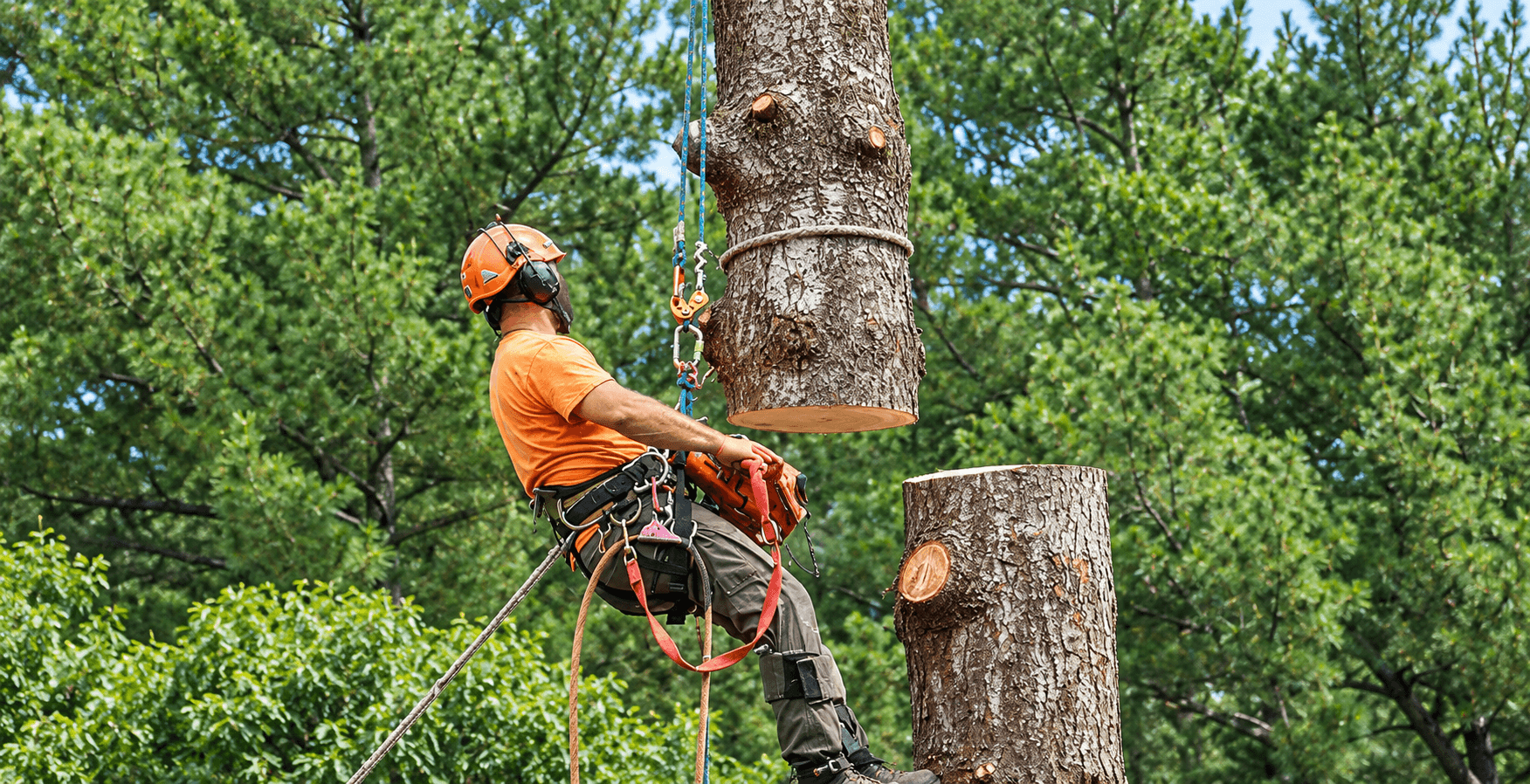
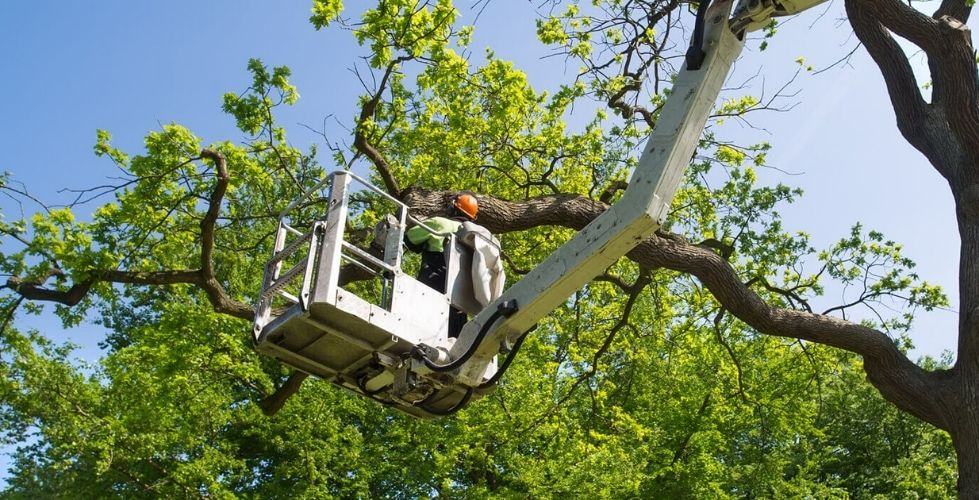
Professional pruning may include removing deadwood, reducing the length of an overextended limb, correcting rubbing branches, or improving clearance around a roof. Cuts should respect the branch collar and the biology of the species. A local arborist or experienced tree care team can determine which work will help and which cuts would cause additional damage.
Schedule routine work before storm demand spikes. When a storm hits, crews must prioritize immediate safety, downed trunks, blocked access, and urgent tree removal. Advance preparation is safer, less stressful, and gives pruning cuts time to begin closing.
What to Do When a Storm Is One Week Away
- Move cars, patio furniture, grills, and play equipment away from questionable trees.
- Secure loose objects that could strike trunks or shrubs.
- Photograph your trees and property for important documents and insurance records.
- Keep people and pets out of areas beneath suspect limbs.
- Confirm how you will contact a tree service if a downed tree blocks a driveway or threatens a structure.
- Do not climb, top, or make large last-minute cuts yourself.
A rushed cut can create a larger wound without meaningfully reducing risk. If a tree poses an immediate danger, ask an experienced team to assess whether targeted pruning or removal is the safest option.
Tree Safety and Cleanup After the Storm
After severe storms, survey the property from a safe distance. Stay away from downed utility lines, hanging limbs, split trunks, and trees resting on structures. Damage can shift without warning. If the area has water damage or flooding, do not assume the ground is stable enough to stand beneath a leaning tree.
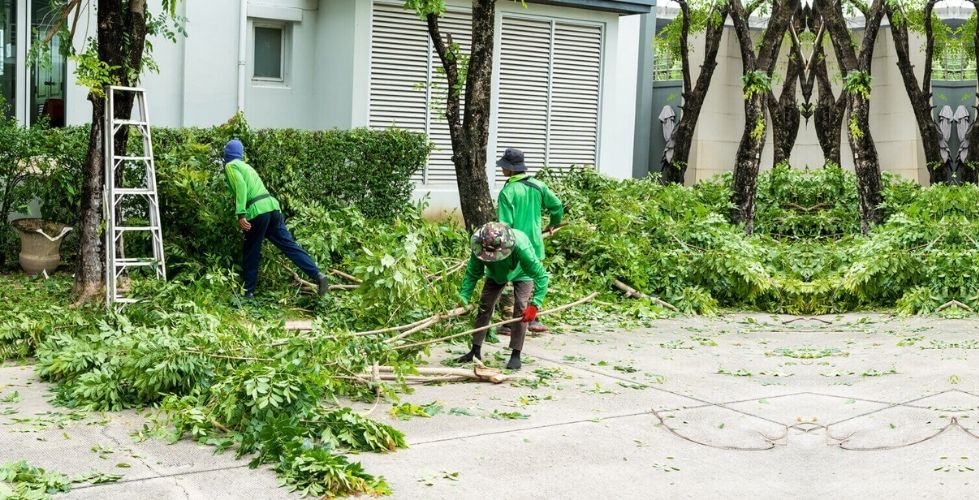
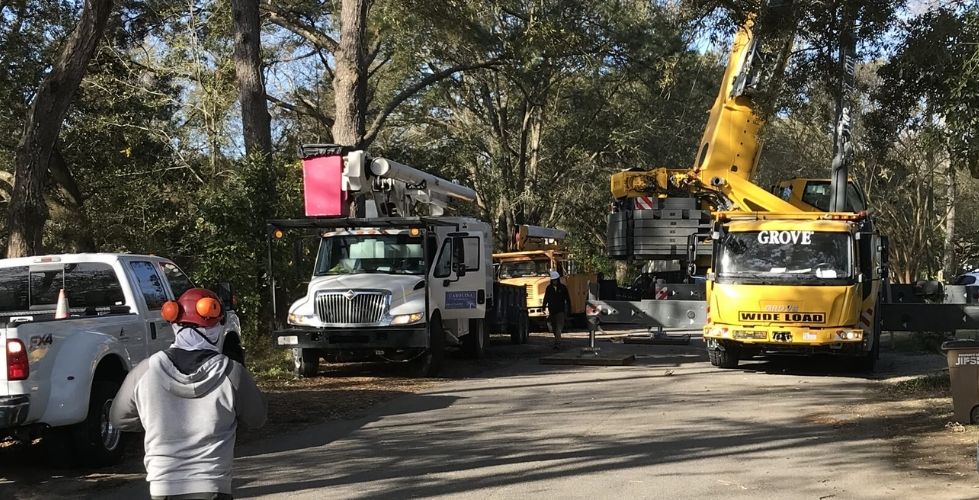
Storm damage cleanup often includes debris removal, damaged-limb pruning, fallen-tree removal, and a final inspection of trees that remain standing. The restoration process should protect undamaged plants and minimize additional damage to the lawn, roof, siding, and nearby trees. Good cleanup and restoration services do more than haul material; they help the property recover quickly and identify hazards that are easy to miss from the ground.
Some trees can be retained with corrective care. Others have lost the structural support needed to remain safely. A qualified assessment helps homeowners and business owners choose the right next step instead of removing every damaged tree or leaving a dangerous one in place.
Protect Your Charleston Property with Carolina Tree Service
Carolina Tree Service provides tree trimming and pruning, tree removal, and storm damage cleanup across the Charleston area and neighboring islands. Our fully licensed team understands Lowcountry species, coastal conditions, and the care required to work around homes and landscapes.
If you are concerned about a tree before the tropical-storm months, do not wait for the forecast to force a last-minute decision. Request a free quote and let our team help you build a practical approach for a safer property.
A Whole-Property Hurricane Preparation Checklist
Hurricanes affect more than the tree canopy. In South Carolina, a practical approach considers trees, shrubs, the yard, roof drainage, structures, and access for emergency services. Walk the property with a certified arborist well before the tropical-storm months. A certified arborist can compare tree species, inspect large trees, identify hidden storm damage, and recommend which trees to retain. This expertise helps a homeowner or business protect the landscape without paying for unnecessary work.
Ask the tree care company how its services fit the risks on your site. Useful services may include a professional inspection, deadwood pruning, selective tree removal, site cleanup, and post-storm restoration services. Commercial clients may also need services that keep an entrance, parking area, or service lane open. A committed team should explain the approach, the limits of the work, and which services can be completed efficiently before conditions change.
Flooding deserves its own response. Water damage in a building calls for qualified water and flood damage cleanup, while tree crews focus on downed trees, broken limbs, and safe access. Standing water can hide holes and electrical hazards, and prolonged moisture can contribute to mold growth indoors. Keep flood damage cleanup and tree restoration services within their proper professional roles. Coordinating those services can make the restoration process more stress-free and help a family or business get back to normal.
Use this final walk-through:
- Check trees that could fall toward a structure, backyard, or neighboring property.
- Move clients, employees, vehicles, and outdoor items away from suspect trees.
- Protect young plant material and shrubs without tying them to large trees.
- Confirm which team will assist with cleanup services and which company will restore damaged structural materials.
- Confirm how emergency services can reach the property if material blocks the yard or drive.
- After the storm, let professionals stand clear of tensioned limbs and evaluate whether trees still pose a threat.
The last thing anyone needs after a fire, flood, or wind event is preventable confusion. A written South Carolina response checklist helps retain healthy trees, protect the community, and restore daily life safely.
Final Safety Plan for Trees and Structures
A final plan should identify fallen trees that could block access and branches near power lines. The plan should also protect each building entrance and leave room for emergency vehicles. These details help crews preserve stable trees while preventing further harm to the property.
Frequently Asked Questions
Topping removes too much canopy, creates large wounds, and encourages weak regrowth. Selective pruning is a safer way to address deadwood, poor structure, and overextended branches.
Extreme wind and saturated soil can cause healthy trees to fail. Good placement, root health, balanced structure, and proper maintenance improve resilience but cannot remove all risk.
Late winter and spring are good times to inspect the landscape and complete routine work before peak storm months. Hazardous branches or a newly leaning tree should be assessed whenever you notice them.
Keep away and call the utility. Do not touch the tree, line, or nearby objects that may be energized.
Partner with Carolina Tree Service for safer trees, a stronger property, and true peace of mind every hurricane season.
When you’re ready to take storm prep seriously, you don’t have to figure it out alone. Carolina Tree Service can inspect your trees, recommend smart pruning or removals, and build a simple maintenance plan that fits your budget and yard.
From routine care to pre-storm checkups and emergency response, we’re here to help you protect what matters most — your home, your family, and the trees you want to keep healthy for years to come. Reach out today.